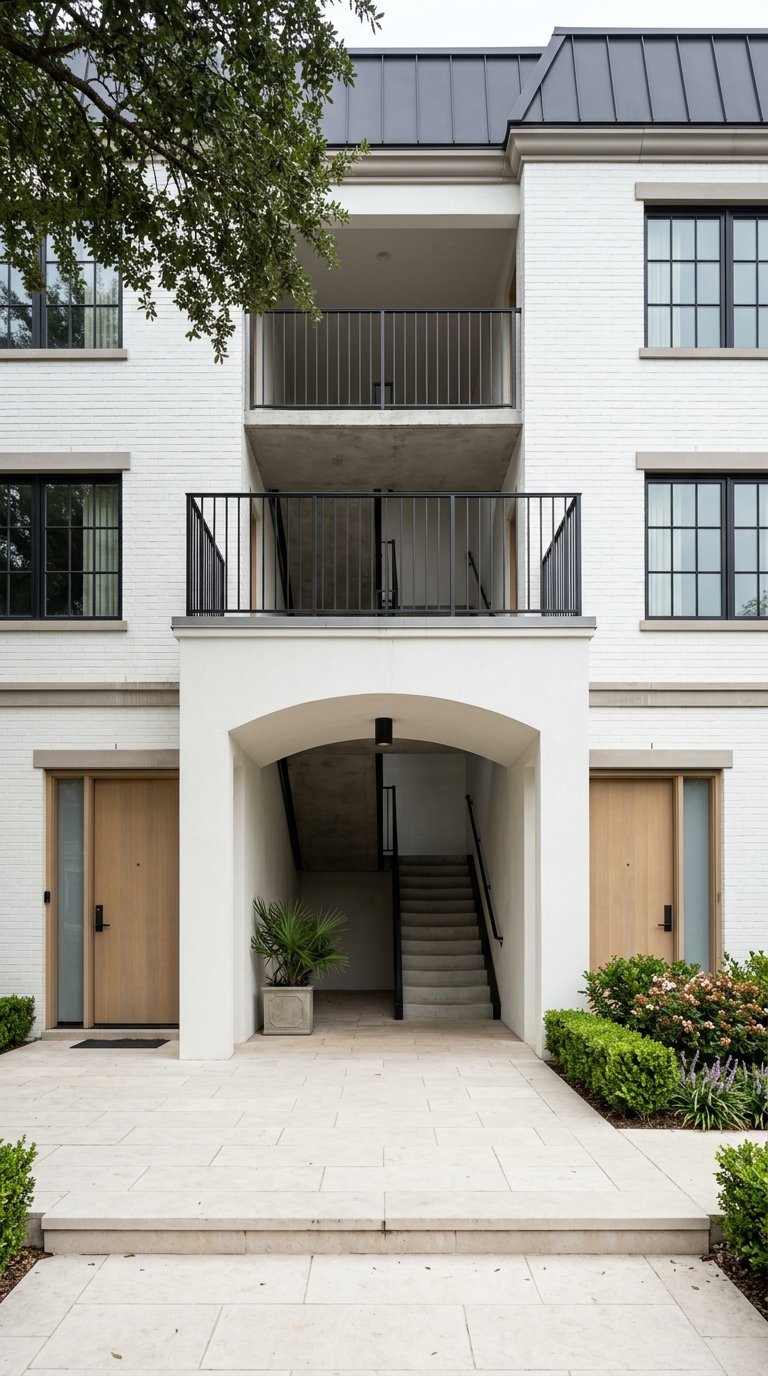
Looking for a rental in Midtown Houston and wondering what you’ll actually get for your budget? You’re not alone. Midtown draws renters who want a central location, flexible housing options, and easy access to major Houston destinations, but prices, property types, and lease terms can vary more than many people expect. This guide will help you understand how the Midtown rental market is structured, what rents look like today, and what to watch for as you compare options. Let’s dive in.
Midtown rental market at a glance
Midtown is one of Houston’s most renter-focused urban neighborhoods. City of Houston planning data shows 9,402 housing units in Midtown, with 8,519 occupied units, and 80.3% renter occupancy in the 2024 super-neighborhood estimate.
That matters because it shapes the entire market. In Midtown, renting is not a side segment of the housing mix. It is a major part of how the neighborhood functions.
The housing stock also tells a clear story. City data shows that 7,221 units are in structures with 10 or more units, compared with 1,144 attached units and just 580 detached units.
In simple terms, Midtown is primarily a multifamily rental market. If you are starting your search here, you should expect apartments, condo-style rentals, lofts, and townhomes to make up most of your choices.
Why Midtown attracts renters
Midtown’s location is a big reason demand stays strong. The neighborhood sits between Downtown Houston and the Texas Medical Center, which puts you near major job centers, dining, entertainment, and everyday services.
Transit access is another draw. METRO identifies Midtown on the Red Line corridor, which connects riders to Downtown Houston, the Museum District, the Texas Medical Center, NRG Park, and other major destinations.
The City of Houston has also highlighted Midtown’s walkable layout. The area has a small-block grid, sidewalks, bike ways, BCycle stations, bus routes, parks, restaurants, grocery stores, offices, and theaters within a compact footprint.
Public improvements have helped reinforce that appeal over time. The Midtown TIRZ has funded projects such as street resurfacing, utilities, street lighting, landscaping, wider sidewalks, and street furniture, all of which support the area’s urban feel and convenience.
What types of rentals you’ll find
Most Midtown rentals are apartment-oriented, but the neighborhood is not one-size-fits-all. You can also find condo and loft listings, furnished units, and townhomes.
Detached rental homes do exist, but they are a small share of the overall inventory. If you need a traditional single-family rental, Midtown may offer fewer options than other Houston neighborhoods.
A lot of Midtown’s housing also comes from a more recent building cycle. City demographic tables show a large share of units built in 2000-2009 and 2010-2019, while the super-neighborhood description notes a mix of older homes, small apartment buildings, low-rise commercial space, and newer luxury apartments and townhomes near Baldwin Park.
That mix creates a wider range of living experiences than you might expect. One building may offer a newer amenity package and modern finishes, while another may offer a more modest setup at a different price point.
Midtown Houston rent prices by unit size
Rental data sources differ slightly, but they point in the same direction. Midtown rents generally sit above the broader Houston market.
Apartments.com reports an average rent of $1,588 in Midtown, with neighborhood rents ranging from $1,159 to $3,276 depending on rental style. RentCafe reports an average of $1,679 as of June 2, 2026, along with a 3.59% year-over-year decline.
Because these platforms pull from different inventories, the numbers do not match exactly. Still, they give you a useful range for understanding current pricing.
Average rents by bedroom count
Apartments.com reports these Midtown averages:
- Studio: $1,175
- One-bedroom: $1,593
- Two-bedroom: $2,188
- Three-bedroom: $3,237
RentCafe reports similar pricing for smaller units:
- Studio: $1,177
- One-bedroom: $1,546
- Two-bedroom: $2,108
Three-bedroom pricing tends to move around more. Apartments.com shows only 57 active three-bedroom listings, which suggests a thinner supply than studios or one-bedroom units.
When inventory is tighter, prices often vary more from one listing to the next. That means larger units in Midtown may require more comparison shopping.
What affects rent beyond bedroom count
Square footage matters, but it is only part of the story in Midtown. Current listings show that price can shift based on several practical features.
Newer communities with stronger amenity packages often rent for more. Furnished condos and larger-format townhomes can also sit well above the neighborhood average, while some smaller or older units may land closer to the lower end of the range.
As you compare rentals, pay close attention to features like:
- Building age
- Unit type
- Finish level
- Furnishing status
- Parking or garage access
- Controlled access or gated entry
- Proximity to the rail corridor
Two one-bedroom units can have very different price tags if one includes a newer interior, assigned parking, and building amenities while the other does not. In Midtown, convenience and building style often carry real pricing power.
Lease terms are often more flexible than expected
If you assume every Midtown rental requires a standard 12-month lease, the current market suggests a more flexible picture. Several active listings show a range of lease options.
For example, 4001 Midtown advertises 6-15 month leases. Skyline at Midtown lists 6-14 month leases, Metro Midtown advertises 12-15 month terms and asks renters to inquire about short-term options, and a furnished condo at 2016 Main lists 12 months or negotiable.
The main takeaway is simple. Twelve-month leases are still common, but short-term and mid-length options are available, especially in larger apartment communities and some furnished units.
That flexibility can help if you are relocating, testing out the neighborhood, or managing a timeline tied to work, school, or a future home purchase.
Amenities many Midtown renters expect
Midtown does not compete on size alone. Many buildings market lifestyle and convenience features that fit an urban routine.
Commonly advertised amenities include:
- Controlled access or gated entry
- Pools
- Fitness centers
- In-unit washer and dryer
- Balconies
- Assigned parking or garages
- Furnished or corporate-style units in some cases
These features show up repeatedly across listings. That suggests renters in Midtown often expect a blend of comfort, access, and practical day-to-day convenience.
If amenities matter to you, compare the full package instead of focusing only on monthly rent. A unit with parking, in-unit laundry, and easier transit access may offer stronger overall value depending on your routine.
How to approach your Midtown rental search
Midtown works best when you search with a clear plan. Because the neighborhood includes everything from older small-scale units to newer high-amenity communities, it helps to define your priorities before you start touring.
Start by deciding what matters most in your next rental. For some renters, that is rail access and walkability. For others, it may be parking, lease flexibility, a furnished setup, or more living space.
A smart search usually includes these steps:
- Set a target monthly budget and a maximum stretch budget.
- Choose your preferred property type, such as apartment, condo, loft, or townhome.
- Decide which features are must-haves versus nice-to-haves.
- Compare lease terms, not just monthly pricing.
- Review how building age and amenity level affect value.
This approach can save you time and help you avoid comparing listings that are not truly similar. In Midtown, a lower advertised rent does not always mean lower overall cost or better fit.
What Midtown means for renters today
For many renters, Midtown means paying a premium for location, transit options, and convenience. The neighborhood’s compact layout, multifamily-heavy housing stock, and access to major Houston destinations all support that value proposition.
At the same time, Midtown is not just a luxury-only market. The area includes a mix of older and newer properties, which creates a broader range of pricing and housing styles than you might assume at first glance.
If you understand the local inventory, you can make a more confident decision. The key is to look beyond headline rent and focus on how the unit, building, and location fit your daily life.
If you want help comparing Midtown rentals or planning your next move in Houston, Prestige Realty Group offers local guidance with a relationship-first approach and deep neighborhood insight.
FAQs
What is the average rent in Midtown Houston?
- Midtown Houston average rent is reported at $1,588 by Apartments.com and $1,679 by RentCafe, with both sources placing Midtown above the broader Houston market.
What types of rentals are most common in Midtown Houston?
- Midtown Houston rentals are mostly multifamily properties, including apartments, condo-style rentals, lofts, and townhomes, while detached rentals make up a much smaller share of the housing stock.
Are Midtown Houston lease terms always 12 months?
- No. While 12-month leases are common in Midtown Houston, current listings also show 6-15 month, 6-14 month, and other flexible or negotiable lease options.
What amenities are common in Midtown Houston apartments?
- Common Midtown Houston apartment amenities include controlled access, pools, fitness centers, in-unit washer and dryer, balconies, assigned parking, garages, and some furnished unit options.
Why do Midtown Houston rents vary so much?
- Midtown Houston rents vary based on building age, unit type, finish level, furnishing, parking, amenity package, and proximity to the rail corridor, not just bedroom count alone.
Is Midtown Houston mostly a renter neighborhood?
- Yes. City of Houston planning data shows Midtown had an estimated 80.3% renter occupancy in 2024, making it a strongly renter-oriented neighborhood.