Thinking about Midtown Houston because you want a true city lifestyle, but not sure what that actually means day to day? Midtown offers a very specific kind of urban living: connected, active, and close to the center of Houston’s daily rhythm. If you want to know what it feels like to live among rail stops, parks, restaurants, and visible street life, this guide will help you picture it more clearly. Let’s dive in.
Midtown Feels Close to Everything
One of the first things you notice about Midtown is how central it feels. The district sits just southwest of Downtown and east of Montrose/Freedmen’s Town, framed by I-45, SH 288, and US 59. That location gives you a strong sense of being in the middle of Houston rather than tucked away from it.
Midtown is also fairly compact for an urban district. Planning materials describe it as roughly 767 acres with about 22.9 miles of streets and around 325 city blocks. In practical terms, that creates a neighborhood where destinations feel layered close together instead of spread far apart.
The Street Life Feels Active
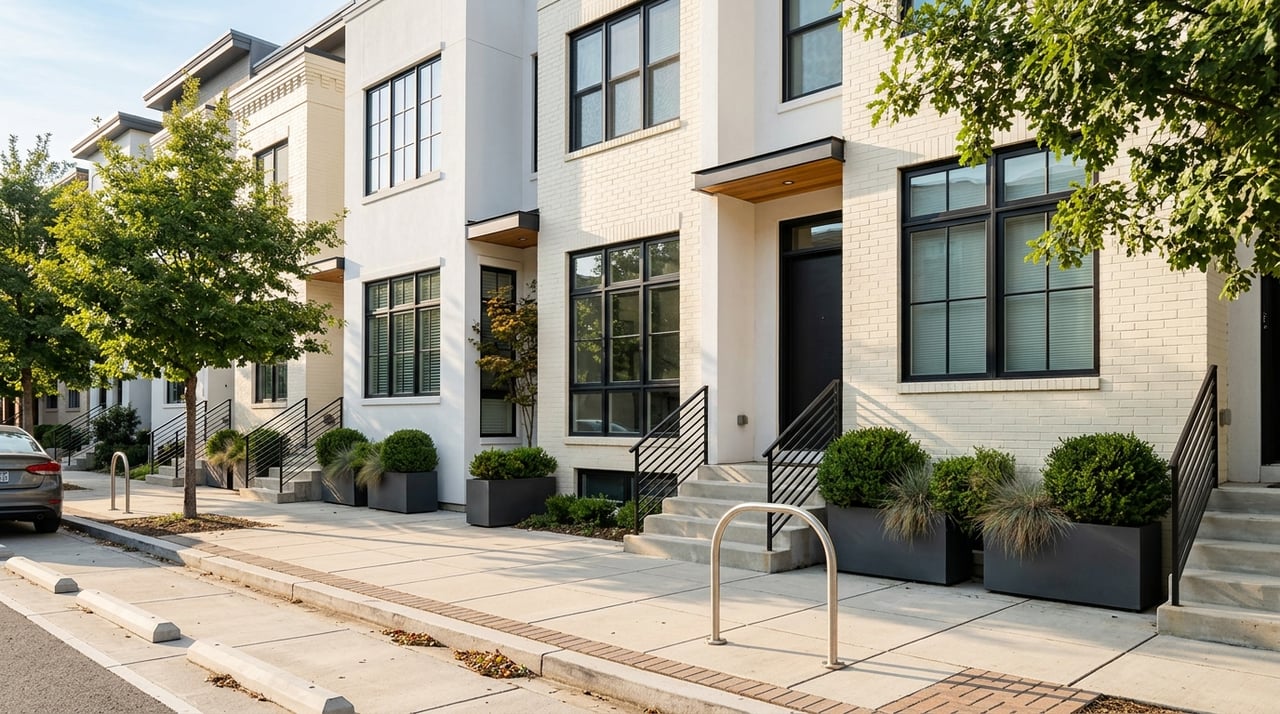
Midtown is designed and managed as a pedestrian-oriented urban district. That matters because it shapes how the neighborhood feels when you move through it. You are not just driving in and out of a residential pocket. You are part of a district built around shared public space, movement, and visible activity.
Local organizations also point to ongoing reinvestment in streetscapes, mobility, and urban design. Along with maintained public spaces and restored structures mixed with newer construction, that gives Midtown a lived-in but still evolving feel. It often comes across as polished, active, and intentionally improved.
Walkability Shapes Daily Routines
If you are coming from a more car-dependent part of Houston, Midtown may feel refreshingly different. Official local sources consistently describe it as one of Houston’s more walkable areas. That does not mean every errand is on foot, but it does mean sidewalks, nearby destinations, and short trips are a real part of daily life.
For many residents, the appeal is not just walking for exercise. It is walking to grab coffee, meeting friends in the park, heading to dinner, or reaching a rail stop without turning every outing into a long drive. That kind of convenience can make your week feel more flexible and less car-centered.
Rail Access Is Part of the Lifestyle
Midtown has three METRORail stations within its boundaries, and the Red Line runs through the neighborhood on Main Street. Midtown-area stops include McGowen, Ensemble/HCC, and Wheeler. The City of Houston identifies the Red Line as connecting key destinations including Downtown, Midtown, the Museum District, Hermann Park/Houston Zoo, the Texas Medical Center, and NRG Park.
That transit access has a real effect on how people use the neighborhood. You can build routines around rail access for work, events, and outings, especially if your schedule regularly pulls you toward central Houston. Midtown feels connected in a practical way, not just on a map.
You Can Still Live Here With a Car
Midtown supports transit use, but it does not require a fully car-free lifestyle. That balance is part of its appeal for many buyers. You can take advantage of walkability and rail service while still keeping driving as part of your routine.
Midtown Park is accessible by METRORail, bicycle, or car, and its garage has 400 spaces. Bagby Park also accommodates pedestrians, cyclists, and motorists, with metered parking and nearby garages. If you want options instead of one fixed mode of getting around, Midtown delivers that mix.
Dining and Nightlife Are Part of the Energy
Midtown’s social atmosphere is one of its defining traits. The district describes the area as home to an eclectic mix of chef-owned restaurants, coffee shops, and nightlife options. That means your evenings can feel full without requiring much planning or a long drive across town.
This is one reason Midtown often appeals to buyers who want a neighborhood with a visible urban pulse. There is a sense that things are happening around you, especially after work and into the evening. If you enjoy stepping out and having options nearby, Midtown makes that easy.
Arts and Culture Feel Built In
Midtown is not only about restaurants and bars. It also has a strong arts identity that is woven into everyday life. The district says Midtown was the first management district in Texas to earn a Cultural Arts and Entertainment District designation, and it highlights more than 40 art venues and about 90 arts organizations.
MATCH, the Midtown Arts & Theater Center Houston, reinforces that creative presence. Located in Midtown on Main and the light rail, it provides a home for a broad range of Houston arts. For you as a resident, that means culture in Midtown can feel close, accessible, and part of the neighborhood routine rather than something reserved for special occasions.
Parks Give Midtown Room to Breathe
Even with its urban density, Midtown includes several meaningful green spaces. That balance matters because it gives you places to slow down without leaving the neighborhood. In a district known for movement and activity, the parks act like reset points throughout the day.
Midtown Park is one of the area’s signature public spaces. It includes a great lawn, reflecting pool, bayou-inspired landscape, art installations, a playground, a rain water feature, a dog park, bocce, and washers. It is open daily from 8 a.m. to 10 p.m., which makes it useful for everything from a morning walk to an evening meetup.
Small Parks Add to Daily Life
Midtown’s park experience is not limited to one major destination. Midtown Park Plaza offers a smaller 0.5-acre greenspace at Travis and Main near McGowen Station. Bagby Park serves as another compact gathering place at Gray and Bagby.
Elizabeth Baldwin Park adds a different feel with its longer history. Midtown describes it as a 4.8-acre City of Houston park established in 1905, with century-old oak trees and an original fountain, along with more recent upgrades like a modern playground and improved lighting. These smaller and varied spaces help outdoor time feel built into the neighborhood instead of separate from it.
Public Spaces Often Feel Social
In Midtown, parks are not just quiet lawn areas. They are part of the neighborhood’s social fabric. Bagby Park, for example, is described as a community hub with live music, a food-and-beverage kiosk, performance space, dog-run features, and regular events such as movie nights and seasonal markets.
That mix of amenities creates a neighborhood where public space often feels active and shared. You might head out for a walk and end up around a gathering, performance, or casual crowd. For many people, that is the fun of Midtown living.
Midtown Suits a Specific Buyer
Midtown is often a strong fit if you want convenience, walkability, and quick access to central Houston destinations. Local planning and neighborhood sources point to strong connectivity to Downtown and the Texas Medical Center, along with dense dining, arts, and park options. Altogether, that creates a lifestyle that feels urban in a very practical sense.
It can be especially appealing if you picture your ideal week including sidewalks, rail access, nearby restaurants, and outdoor public spaces. Midtown supports a routine where you are out in the neighborhood instead of isolated from it. For many first-time intown buyers, that is exactly the draw.
Midtown Is Not About Seclusion
At the same time, Midtown is not trying to feel hidden or low-key. Frequent events, nightlife, rail service, and activated parks create a lively environment, especially along the Main Street and Bagby corridors. If you prefer large yards, minimal street activity, and a quieter nighttime setting, Midtown may feel more energized than relaxing.
That does not make it better or worse than other Houston neighborhoods. It just makes Midtown distinct. The key is matching the neighborhood’s pace and feel to the way you actually want to live.
What Urban Living Here Really Feels Like
So what does urban living in Midtown Houston really feel like? It feels connected, social, and convenient. You are close to major destinations, surrounded by public spaces, and plugged into a neighborhood where walking, rail, dining, and events shape everyday life.
If that sounds like the kind of routine you want, Midtown can offer a compelling intown option. If you are weighing Midtown against other Houston neighborhoods, a local perspective can help you compare not just properties, but the lifestyle that comes with them. For tailored guidance on Midtown and other Houston neighborhoods, connect with Prestige Realty Group.
FAQs
What does daily life in Midtown Houston feel like for residents?
- Daily life in Midtown often feels active and connected, with walkable streets, rail access, nearby parks, and a mix of dining, arts, and social activity woven into the neighborhood.
How walkable is Midtown Houston compared to other Houston areas?
- Local official sources frame Midtown as one of Houston’s more walkable areas, with a pedestrian-oriented layout, nearby destinations, and METRORail stations within the district.
What transit options are available in Midtown Houston?
- Midtown is served by the METRORail Red Line on Main Street, including McGowen, Ensemble/HCC, and Wheeler stations, with access to Downtown, the Museum District, the Texas Medical Center, and NRG Park.
Are there parks and green spaces in Midtown Houston?
- Yes, Midtown includes Midtown Park, Midtown Park Plaza, Bagby Park, Elizabeth Baldwin Park, and Glover Park, giving residents several places for recreation, downtime, and community events.
Is Midtown Houston a good fit for first-time intown buyers?
- Midtown can be a strong fit if you want a compact, transit-connected neighborhood with a lively urban atmosphere, convenient access to central Houston, and a mix of public spaces, restaurants, and arts venues.