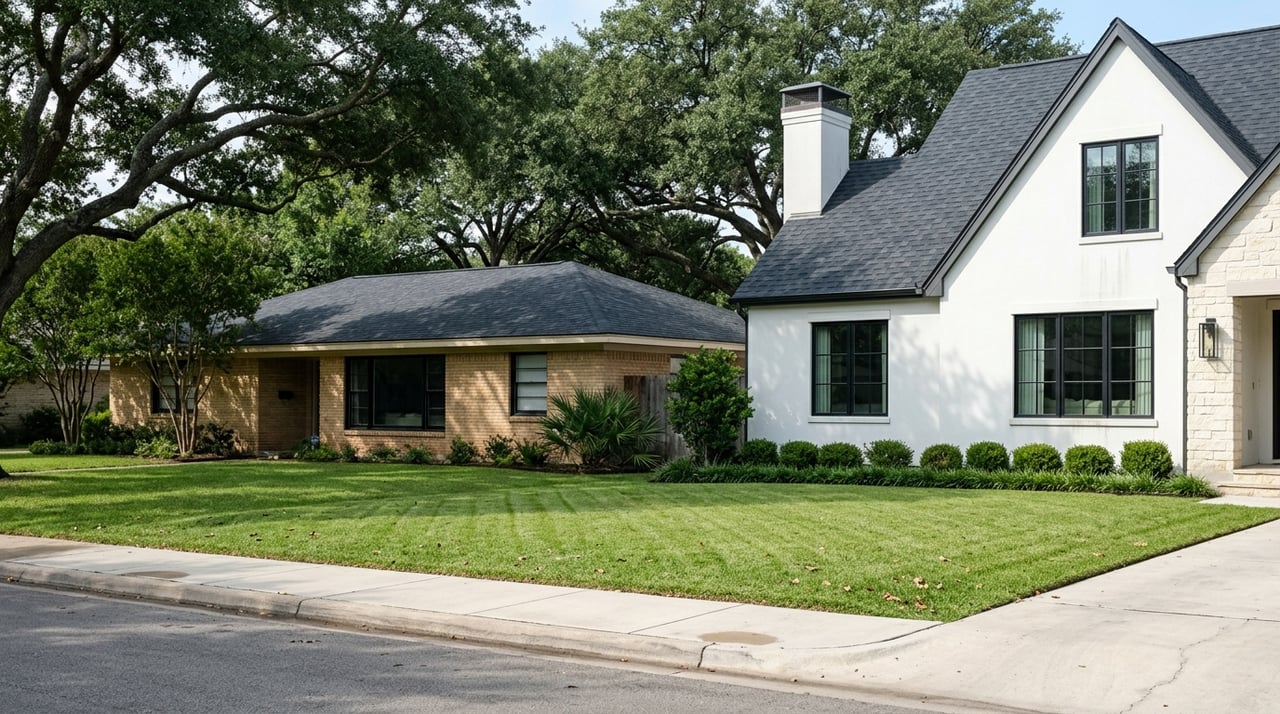
Looking at homes in Memorial can feel simple on a map and surprisingly complex in real life. One listing may show a mid-century modern home under mature trees, while another just minutes away offers a three-level townhome near major retail and office hubs. If you want to understand what Memorial really includes, and how its micro-pockets shape home style, lot size, and daily living, this guide will help you shop with more confidence. Let’s dive in.
What Memorial Means in Houston
In a home search, Memorial is best understood as a broad west Houston corridor, not one single neighborhood. The City of Houston’s Memorial Super Neighborhood is bounded by I-10, Buffalo Bayou, SH-6, and the Memorial Villages, while local neighborhood guides describe Memorial as stretching west of Loop 610 along I-10, with major anchors like Memorial Park and Memorial City Mall.
That broad definition matters because the housing product changes a lot across the area. A Memorial search can include older ranch homes, mid-century properties, wooded single-family subdivisions, estate-style village homes, and newer townhomes or mixed-use residential near Memorial City and CityCentre.
It also helps to know that Memorial is often described as a driving-oriented area with rare sidewalks and deep lots. When you review listings, street scenes, and aerial photos, that context can explain why one block feels more suburban and spacious than another.
Why Micro-Pockets Matter in Memorial
In Memorial, the name of the pocket often tells you more than the zip code. It can hint at the home’s era, lot pattern, architectural style, and the kind of streetscape you will see in person.
That is especially useful for buyers trying to narrow down options. If you know which subareas lean modern, which lean traditional, and which offer lower-density estate settings, you can filter listings more effectively and spend less time chasing the wrong fit.
Memorial Bend: Mid-Century Character
Memorial Bend stands out as one of the area’s clearest architectural pockets. Developed in the mid-1950s, it is known for a mix of traditional and modern homes set among mature trees near Buffalo Bayou.
For buyers who love mid-century design, this is one of the most recognizable parts of Memorial. Houston Mod describes Memorial Bend as home to one of Houston’s largest concentrations of 1950s modern houses, including homes with flat or low-pitched roofs, butterfly roofs, clerestory windows, and broad horizontal lines.
At the same time, Memorial Bend is not frozen in time. The neighborhood’s deed-restriction update notes that some original homes have been replaced by newer construction, so buyers may see both preserved older homes and larger new builds on the same general grid.
Clues a Listing Is in Memorial Bend
When you scan listing photos, a few details can point to this pocket:
- Flat or butterfly rooflines
- Clerestory windows
- Broad glass expanses
- Low, horizontal massing
- Mature trees and established lots
If those features matter to you, Memorial Bend is often worth a closer look.
Wilchester and Frostwood: Classic Wooded Memorial
Wilchester and Wilchester West represent a more classic west Memorial single-family feel. These wooded subdivisions sit south of I-10 and north of Buffalo Bayou, roughly between Wilcrest and Patchester, and are noted for native oaks and pines plus direct access to Terry Hershey Park.
That description gives buyers a good sense of the housing fabric. These are not the denser townhome-style parts of Memorial. Instead, they read as established single-family neighborhoods with mature landscaping and a more traditional suburban layout.
Frostwood offers a similar identity. It is a 360-home Memorial-area community incorporated in 1960 and governed by deed restrictions, maintenance charges tied to lots, and architectural review, which signals a neighborhood with a more defined framework for exterior consistency and upkeep.
What Buyers Often Notice Here
If you are comparing these pockets to others in Memorial, you will often see:
- Single-family homes rather than mixed-use product
- Mature tree canopy
- Traditional neighborhood streetscapes
- A more established residential feel
For many buyers, these pockets hit the sweet spot between central west Houston access and a classic Memorial setting.
Memorial Forest: Older Homes and Rebuild Potential
Memorial Forest gives buyers another familiar Memorial pattern. The neighborhood includes about 280 homes, most built in the 1950s, with a median lot size above 10,000 square feet and a housing mix that includes ranch-style and traditional homes along with newer construction.
That mix is important because it often creates a varied street-by-street experience. You may find an older one-story home, a partially updated property, and a larger newer build all within close range of each other.
For buyers, this means Memorial Forest can offer flexibility. Some shoppers want original character and a simpler footprint, while others are focused on larger lots and the presence of newer homes nearby.
Memorial Villages: Estate Feel and Low Density
The Memorial Villages bring a different scale and feel to the broader Memorial area. This is where the housing often becomes more estate-like, more wooded, and lower density.
Piney Point Village describes itself as a residential community with zoning intended to preserve neighborhood character, tree canopy, and low-density development. Other village regulations reinforce that same pattern. Hunters Creek Village requires at least 22,500 square feet of lot area, along with minimum width, depth, and front-yard standards, while Spring Valley Village zoning materials describe a 10,000-square-foot base requirement, with some reviewed lots also needing set width and depth standards.
Bunker Hill Village adds another layer through new-home documents that emphasize maximum lot coverage and tree requirements. For buyers, these details help explain why village properties often feel more spacious, more controlled in appearance, and more heavily shaped by lot and exterior standards.
Visual Signs You May Be in the Villages
Listings in the villages often show:
- Larger setbacks
- Significant tree canopy
- Lower-density streetscapes
- Custom-home presentation
- More controlled exterior patterns
If privacy, lot size, and a more estate-oriented setting are priorities, the villages are often where that search leads.
Memorial City and CityCentre: Newer, Denser Options
Not every Memorial home search is about large lots and older homes. Closer to Memorial City and CityCentre, the product mix gets newer and denser, with more mixed-use surroundings.
Memorial City Plaza describes this district as a mixed-use area that includes office, retail, garden and high-rise residential living, hotel space, and the Memorial Hermann medical campus. The Memorial Management District also identifies Memorial City Mall, CityCentre, Town & Country Village, and Village Plaza at Bunker Hill as key anchors.
For buyers, that usually means a different residential experience than the wooded subdivisions or villages. You may find townhomes, more urban-style layouts, and homes designed around convenience to shopping, dining, work, and services.
Listing Clues for This Part of Memorial
A home may fit the Memorial City or CityCentre pattern if you see:
- Attached garages
- Three-level layouts
- Garage-under configurations
- Courtyard-style settings
- A more urban streetscape
This part of Memorial can appeal to buyers who want west Houston access with a lower-maintenance or more lock-and-leave style of living.
Memorial Thicket: More Planned and Enclosed
Memorial Thicket has a different feel from many of the older Memorial neighborhoods. According to its HOA, the subdivision was created in 1979, includes 158 single-family homes ranging from 2,400 to 6,800 square feet, and has a single entrance with 24-hour armed-guard service.
That combination makes it feel more planned and enclosed than some of the older postwar subdivisions farther east. For buyers who want a single-family home in a more controlled neighborhood setting, Memorial Thicket may stand apart from the broader Memorial mix.
How to Decode Memorial Listing Photos
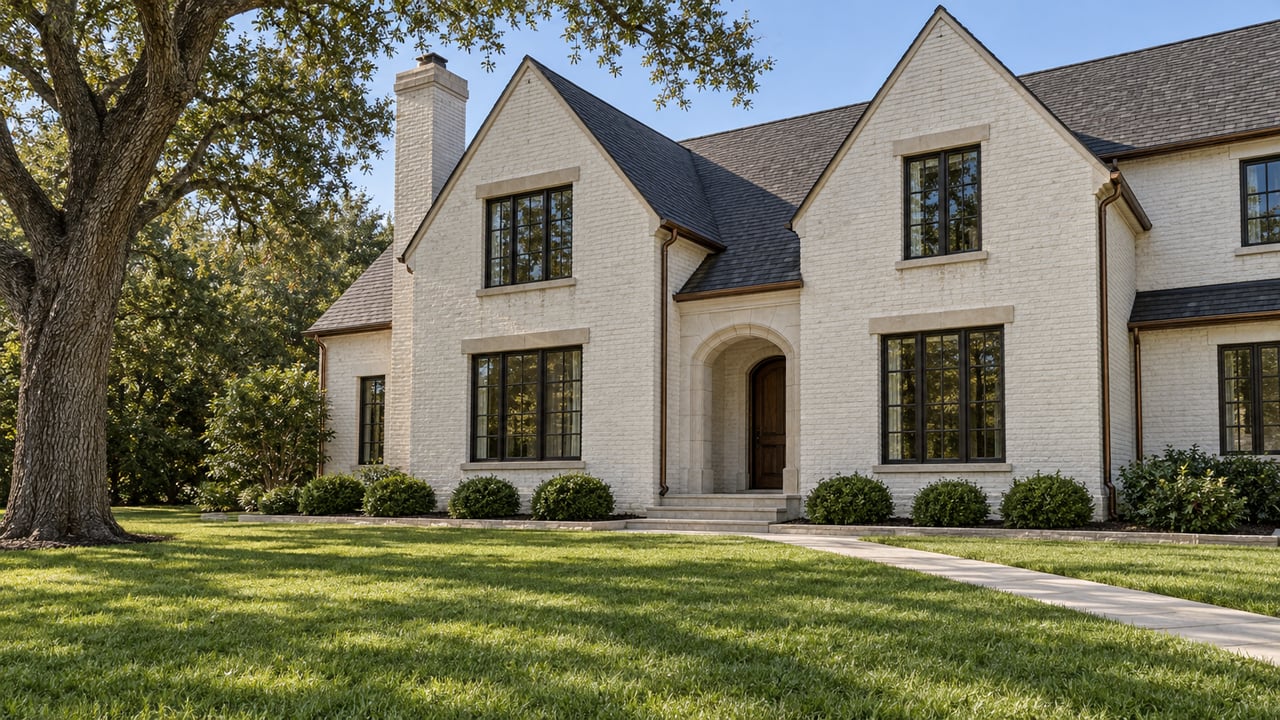
If you are scrolling listings and trying to guess the neighborhood feel before a tour, certain visual cues can help. In Memorial, architecture and lot presentation often reveal the era and setting.
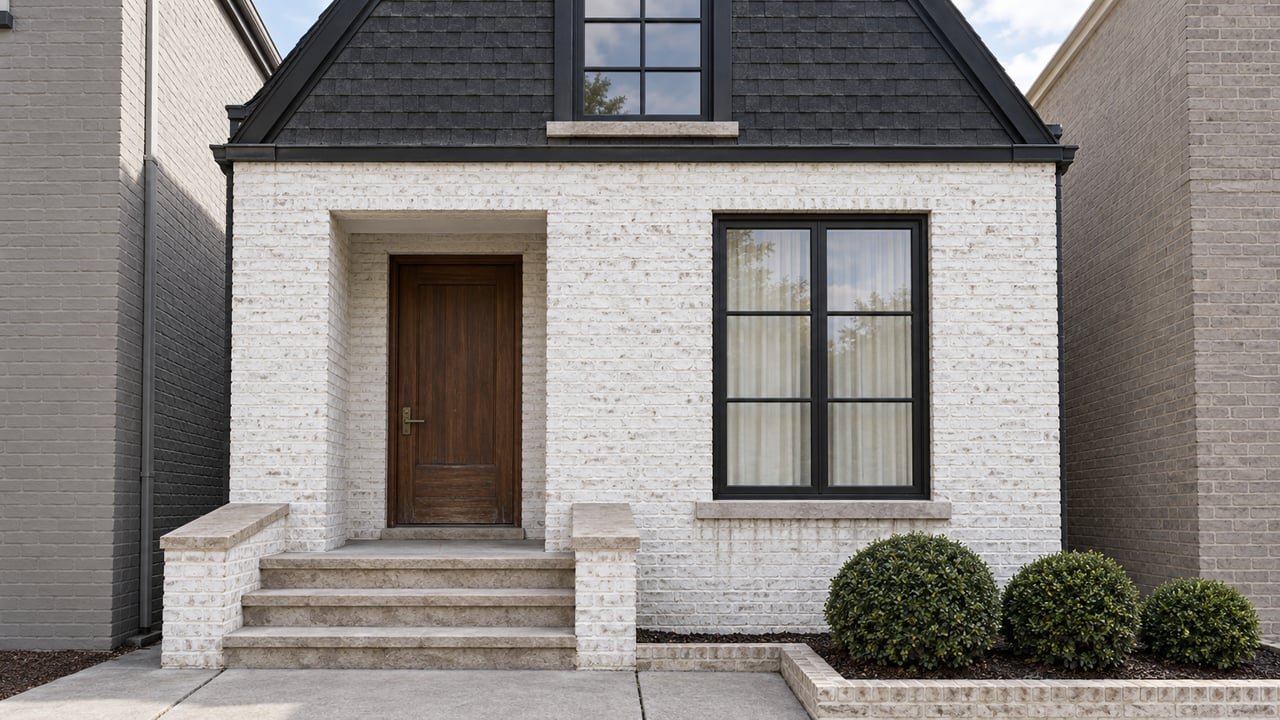
A one-story brick home with big trees and a deep setback usually points to an older west Memorial subdivision or an original village lot. A flat roof, butterfly roof, or clerestory windows often suggest Memorial Bend. A three-level townhome with an attached garage usually points closer to Memorial City, CityCentre, or similar denser pockets.
These clues are not perfect, but they can make your search more efficient. Instead of treating Memorial as one uniform market, you can start recognizing the subareas that better match your style and priorities.
Why Commute Logic Still Matters
Memorial’s appeal is not only about architecture and lot size. It is also closely tied to access.
To the west, the Energy Corridor spans more than 2,000 acres along I-10 and includes over 56,000 local jobs, with major employers such as bp, Shell, Citgo, and ConocoPhillips. That helps explain why western Memorial pockets often stay relevant for buyers who want a practical commute to one of Houston’s major employment centers.
Memorial City is also a major services and employment node. The district includes 8.3 million square feet of developed real estate across 265 acres, combining office, retail, hotel, residential, and the Memorial Hermann Memorial City Medical Center.
For buyers who work farther east, Memorial still offers strong regional access. Uptown Houston includes more than 28 million square feet of office space and about 2,000 companies, and local guides note that the broader Memorial area can reach Downtown Houston in about 20 minutes.
How to Choose the Right Memorial Pocket
The best part of Memorial for you depends on how you want your home to live day to day. If you love architectural character, Memorial Bend may stand out. If you want a wooded single-family setting, Wilchester, Frostwood, or Memorial Forest may feel more natural.
If your priorities include larger setbacks, lower density, and estate-style surroundings, the Memorial Villages may be the best fit. If convenience, mixed-use surroundings, and newer townhome product matter more, Memorial City and CityCentre may deserve a closer look.
A broad Memorial search can produce very different options, which is why local guidance matters here. The more clearly you define your ideal home style, lot pattern, and commute needs, the easier it becomes to focus on the right streets and avoid false starts.
If you are comparing Memorial micro-pockets or preparing to buy or sell in west Houston, Prestige Realty Group can help you narrow the search, interpret the market, and build a strategy that fits your goals.
FAQs
What does Memorial mean in a Houston home search?
- Memorial usually refers to a broad west Houston corridor rather than one subdivision, with housing that ranges from older ranch homes and village estates to townhomes near Memorial City and CityCentre.
What home styles are common in Memorial Houston?
- Memorial includes ranch-style homes, traditional brick homes, mid-century modern properties, estate-style custom homes, townhomes, condominiums, bungalows, cottages, and newer mixed-use residential options.
What makes Memorial Bend different from other Memorial neighborhoods?
- Memorial Bend is known for its mid-1950s development pattern and strong concentration of 1950s modern homes with features like flat roofs, butterfly roofs, clerestory windows, and low horizontal lines.
What do the Memorial Villages offer for buyers?
- The Memorial Villages are known for lower-density residential patterns, larger lot standards in some areas, substantial setbacks, tree canopy, and a more estate-like setting.
Are Memorial City and CityCentre part of the Memorial lifestyle?
- Yes. They represent the denser, newer, mixed-use side of Memorial, with townhomes and residential options close to major retail, office, hotel, and medical destinations.
How can you tell which Memorial pocket a listing may be in?
- Buyers can look for clues like rooflines, setbacks, lot size, tree canopy, home height, garage placement, and overall streetscape to estimate whether a listing fits an older subdivision, the villages, or a newer townhome pocket.