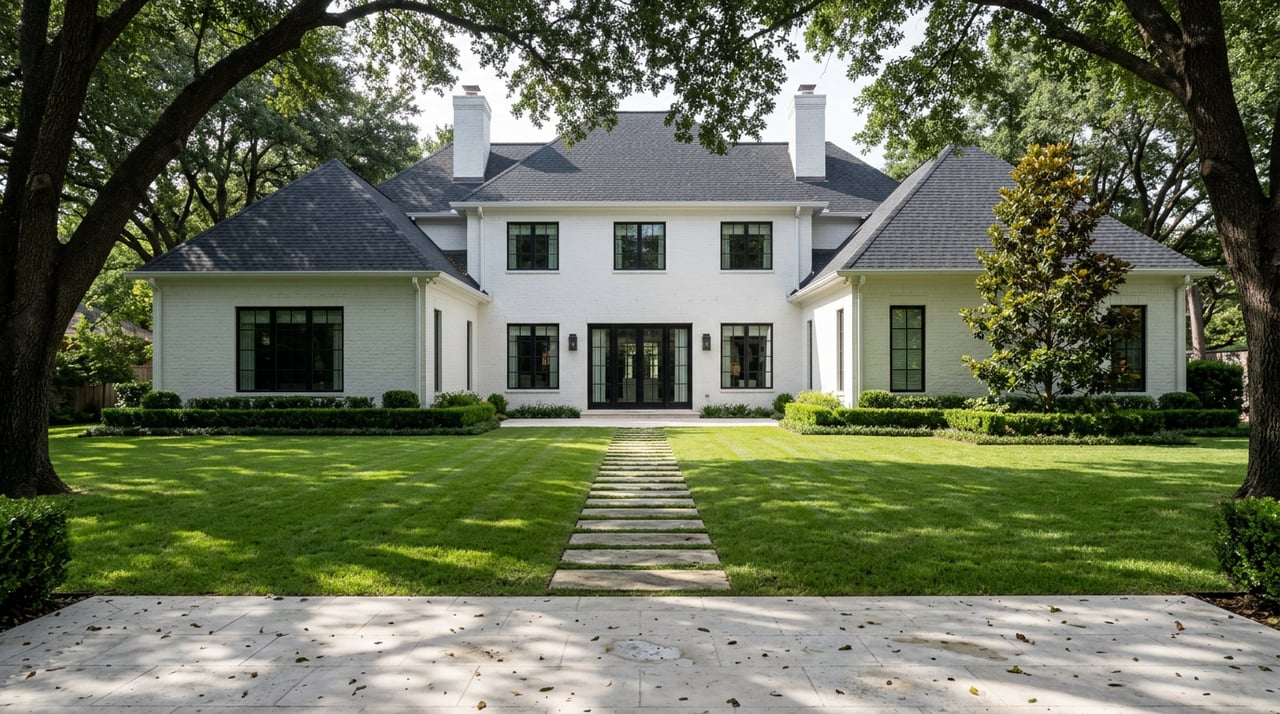
Two homes can sit on the same Memorial street and sell for very different prices. Often, the gap comes down to the land under your feet and what surrounds it. If you are buying or selling in Memorial, understanding how lot size and setting play into value can help you make smarter moves and avoid surprises. In this guide, you will learn the key land factors buyers pay for, how parks and flood risk change premiums, and what steps you can take to protect your bottom line. Let’s dive in.
Memorial at a glance: land and lifestyle
When people say “Memorial,” they often mean a cluster of west Houston neighborhoods that includes the self-governed Memorial Villages as well as nearby subdivisions with a mix of mid‑century homes and newer estate builds. The City of Houston has no traditional zoning, which means development follows land development ordinances and subdivision rules, while the Memorial Villages preserve single-family character through local deed restrictions. That mix shapes what can be built and how scarce large lots are, which affects pricing across the area. If you plan to remodel or rebuild, review the City’s development standards to understand setbacks, lot coverage, and subdivision rules found in the planning department’s published guidance at the City of Houston Planning and Development Department.
Memorial’s biggest natural amenity is the nearly 1,500-acre Memorial Park, along with the Buffalo Bayou greenway. Proximity to these green spaces is a major draw for many buyers who value trails, trees, and recreation. The Memorial Park Conservancy outlines recent and ongoing park investments that help explain strong demand nearby.
How lot size converts to price in Memorial
The land plus house equation
Home prices reflect both the structure and the land. In hedonic pricing studies, lot size typically has a positive effect on value, but the added benefit per extra square foot tends to shrink as lots get larger. In other words, bigger is usually better, yet the premium grows at a slowing rate. This pattern shows up across many studies summarized in a housing characteristics meta-analysis on ResearchGate.
Diminishing returns and utility
Doubling lot area rarely doubles price because buyers pay for usable space and lifestyle benefits. Privacy, room for a pool, room for a sport court, and mature trees often matter more than raw square footage once you pass a certain size. Inside close-in Memorial, estate-size parcels are scarce, which supports higher prices, but a well-shaped mid-size lot can compete if it delivers strong daily utility.
How appraisers compare land
Appraisers and experienced agents do not look at area alone. They use units of comparison like price per square foot of lot, price per front foot, or overall site price depending on geometry and market norms. They also adjust for frontage, depth, shape, usable building envelope, topography, and access. A helpful overview of these concepts appears in appraisal training materials on Principles of Appraisal.
Setting factors that shift lot premiums
Frontage, shape, and access
Frontage can be valued by the front foot in some analyses, especially on wide or visually appealing lots. Quiet cul-de-sacs and deep, rectangular lots often trade better for privacy and yard design than shallow or irregular shapes. Corner lots can be a plus for access or a minus for privacy depending on traffic and setback rules. Always compare recent neighborhood comps to see which way the local market leans.
Green space and park proximity
Proximity to large, well-kept parks and greenways commonly increases nearby residential values. Many studies find the strongest effects within a short walking distance, and larger parks tend to create larger premiums. Memorial Park’s size and amenities make it a standout example. For background on park-driven value, review a summary of open space research in The Economic Benefits of Open Space and Recreation and learn more about the park’s scale and programming via the Memorial Park Conservancy.
Water, bayou adjacency, and flood risk
Bayou frontage and water views can boost value through privacy and scenery. At the same time, flood exposure can offset that premium or even create a discount. After Hurricane Harvey, a Freddie Mac study of Harris County found homes in FEMA flood zones already sold for less before the storm, and the discount grew afterward. You should weigh amenity value against risk and insurance costs and review objective data from the Freddie Mac flood risk study and local mitigation updates on the Harris County Flood Control District project page.
Traffic, noise, and access to jobs and retail
Convenience to employment and retail centers like Memorial City, CityCentre, and the Energy Corridor supports demand. Direct adjacency to high-traffic arterials can reduce the residential premium for some buyers due to noise and privacy trade-offs. Local redevelopment also matters, such as ongoing improvements around Memorial City Mall covered by the Houston Chronicle. If you are weighing two similar homes, stand on the lot at different times of day to gauge real-world noise and traffic.
Risks, regulations, and scarcity
Floodplain status and insurance are top-of-mind in Memorial’s bayou-adjacent sections. The Freddie Mac analysis for Harris County documented a measurable discount for homes inside flood zones, which increased after Harvey, illustrating how risk and perception move prices. Check FEMA maps, disclosures, and watershed projects to understand both current conditions and planned improvements through the Harris County Flood Control District.
Because Houston has no conventional zoning, neighborhood rules and city ordinances do the heavy lifting. The Memorial Villages’ deed restrictions help preserve larger lots and a single-family character, which supports scarcity value for estate parcels. If you are evaluating a remodel, rebuild, or subdivision question, start with the City’s land development guidance at the Planning and Development Department and the relevant village’s municipal regulations.
Seller strategies to showcase lot value
- Document utility and privacy. Provide a simple site plan with setbacks, usable yard areas, and any outbuildings. Highlight mature trees, cul-de-sac placement, fencing quality, and screening.
- Fix small site problems. Address drainage, repair hardscape, and show any recent mitigation or grading work. If relevant, reference watershed improvements from the Harris County Flood Control District.
- Package the right visuals. High-clarity photos of the lot from multiple angles help buyers “feel” the space. Minor curb appeal and landscaping upgrades often punch above their weight, as summarized in these curb appeal ideas.
- Speak the appraiser’s language. Note frontage width, depth, shape, and buildable area. These are common adjustment factors in appraisal practice outlined in Principles of Appraisal.
Buyer playbook for comparing lots
- Start with risk. Ask for flood history, elevation certificates, and insurance quotes. Review findings against the Freddie Mac flood risk study and HCFCD project updates for the watershed.
- Compare apples to apples. Look at both price per finished square foot of the home and price per lot square foot or front foot. Remember, extra lot size has diminishing returns, which is supported by findings in the housing characteristics meta-analysis.
- Walk the setting. Visit at different times to check traffic, noise, and light. Note proximity to trails, parks, and retail, and consider how each factor fits your daily routine.
- Verify buildability. If you plan future changes, review setbacks and subdivision rules via the City of Houston’s development regulations and confirm any village-specific restrictions.
Quick Memorial scenarios to make it real
- Estate seeker: You find a deep, tree-canopied lot near trails. The parcel commands a premium because privacy, usable yard, and greenway access line up with high buyer demand.
- Park lover on a budget: You consider a slightly smaller lot closer to Memorial Park. The home may be smaller, but the location premium and trail access deliver daily lifestyle value, which can support resale.
- Bayou view trade-off: A bayou-adjacent lot with great views and privacy looks ideal. You account for flood risk, mitigation plans, and insurance costs, then decide if the amenity outweighs the discount the broader market may apply.
How we can help
Making sense of land value in Memorial takes local context, careful comp selection, and a clear-eyed view of risk and amenity trade-offs. If you are deciding whether to buy, sell, rebuild, or hold, a tailored lot analysis can help you quantify premiums for frontage, shape, park proximity, and flood exposure.
Ready to evaluate your next move with a local expert by your side? Connect with Prestige Realty Group for a targeted lot and setting review, neighborhood-level comps, and a marketing plan that highlights what makes your property stand out.
FAQs
How does lot size affect home prices in Memorial?
- Larger lots tend to sell for more, but each additional square foot adds a smaller premium, so utility and scarcity matter more than raw size after a point.
How does being near Memorial Park influence value?
- Homes within a short walk of major green spaces often see higher demand, with research showing stronger effects near large parks like Memorial Park.
What should I ask about flood risk on bayou-adjacent lots?
- Ask for flood history, elevation certificates, and insurance quotes, then review watershed mitigation plans and objective findings like the Freddie Mac study.
Are corner lots worth more in Memorial?
- It depends on traffic, privacy, and setback impacts; some buyers like access and visibility while others discount corners for exposure and noise.
How do deed restrictions in the Memorial Villages affect land value?
- Village deed restrictions help preserve larger lots and single-family character, which supports scarcity value compared with nearby areas that allow more flexibility.