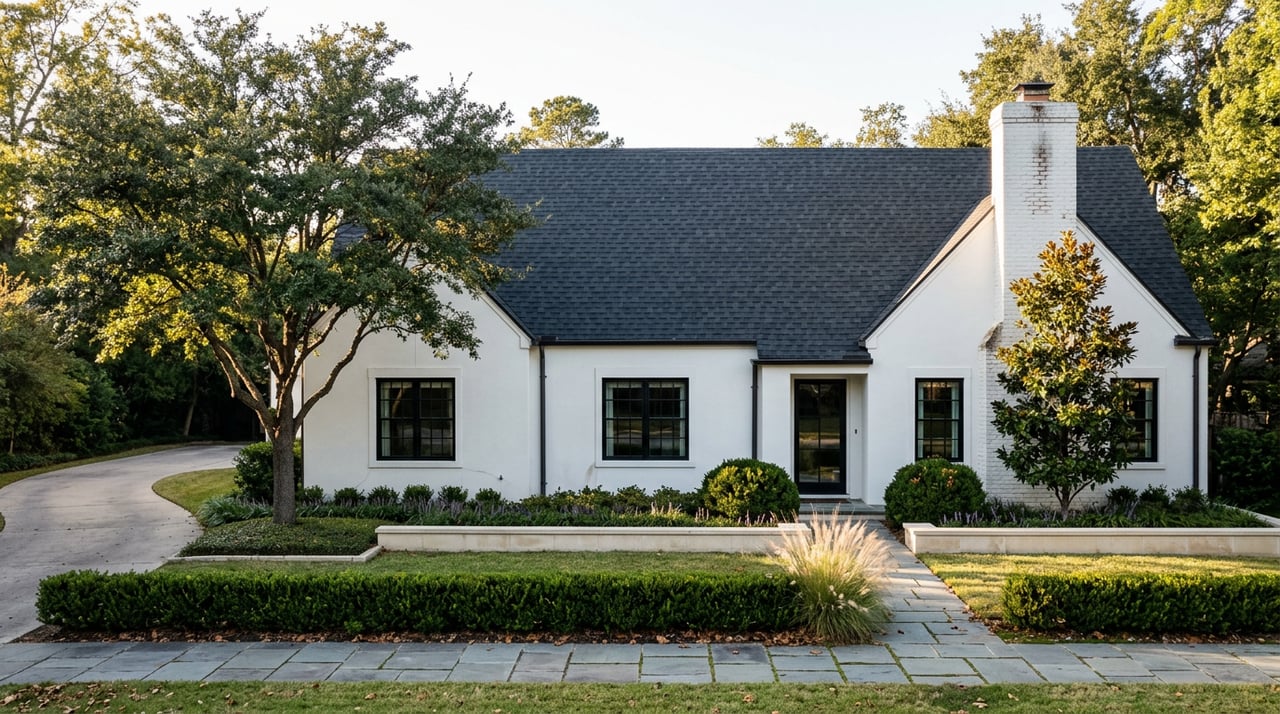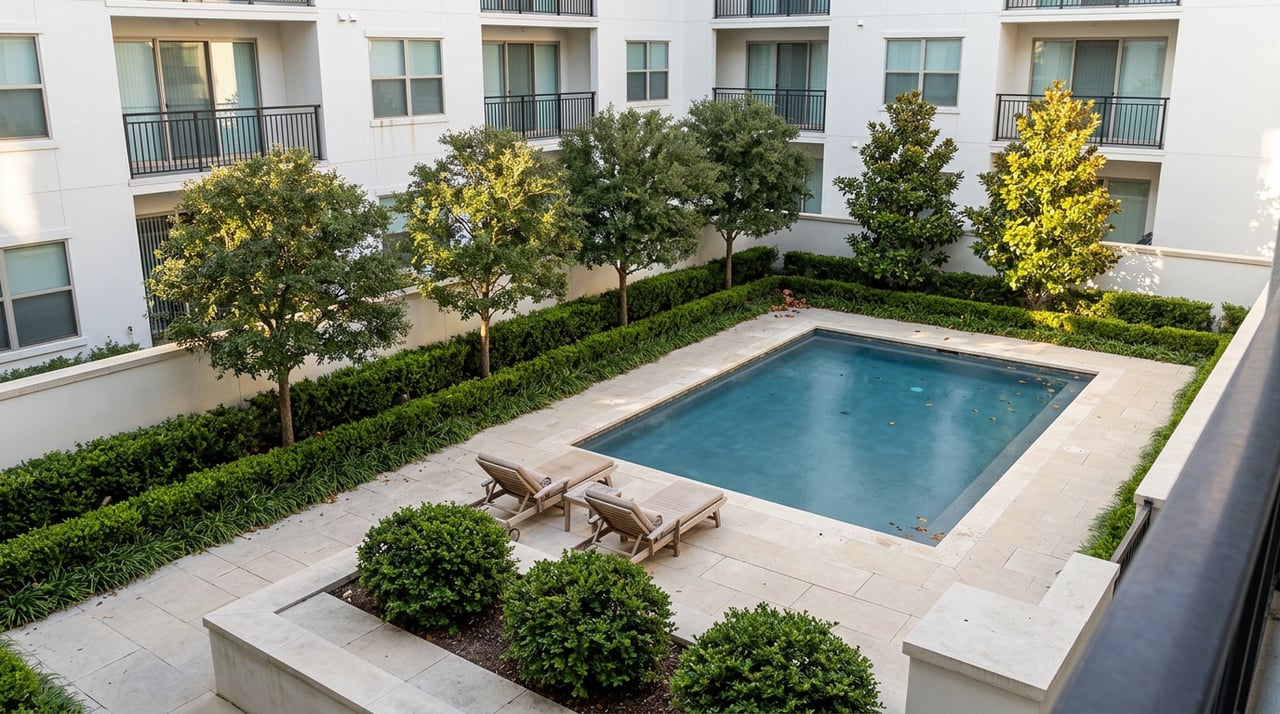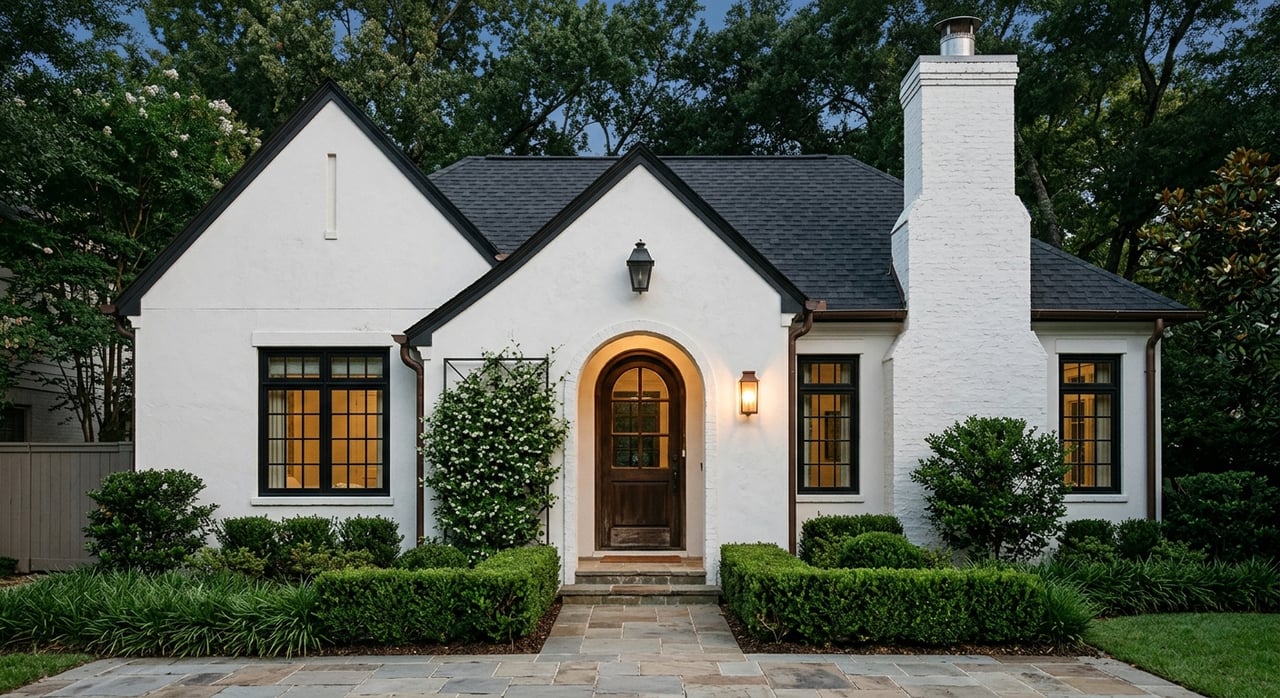
Thinking about leaving a larger River Oaks home behind can feel equal parts freeing and overwhelming. You may be ready for less upkeep, fewer rooms, and a simpler daily routine, but you still want to protect your equity and make a smart move. This guide walks you through what downsizing looks like in River Oaks, TX, what to expect from the local market, and how to plan your next step with more confidence. Let’s dive in.
Why Downsizing Makes Sense in River Oaks
River Oaks is a small, established city on the west side of the Dallas-Fort Worth metroplex, located inside Loop 820 and near the Trinity River and Lake Worth recreation corridor. According to the City of River Oaks history page, the city is surrounded by long-developed areas and does not have room for outward expansion.
That matters if you are downsizing. In a built-out community, housing choices can be more limited, especially if you want a lower-maintenance home rather than another traditional single-family property.
The local ownership profile also supports the idea that many homeowners here have stayed put for a while. The U.S. Census QuickFacts for River Oaks show a 77.2% owner-occupied housing rate, 13.7% of residents age 65 and older, and 95.6% of residents living in the same house one year earlier.
In other words, River Oaks is a stable community with many long-term owners. If you are now moving from an estate-style property or a larger longtime home into something easier to manage, you are not alone.
What the River Oaks Market Means for Sellers
Before you make a move, it helps to understand the scale of the local market. River Oaks is a small submarket, so monthly numbers can shift quickly when only a few homes sell.
As of March 31, 2026, Zillow’s River Oaks home value data showed an average home value of $222,017, with 30 homes for sale and 6 new listings that month. The same source notes that River Oaks is a relatively modest-price market compared with many other parts of North Texas.
For the broader context, Redfin’s Fort Worth housing market data showed a February 2026 median sale price of $340,000 in Fort Worth, with homes selling in about 76 days. River Oaks itself has been slower, with fewer sales and longer marketing times, which means pricing and preparation matter.
This is not the peak frenzy of 2021 or 2022. The HUD housing market analysis for Fort Worth-Arlington-Grapevine found that home sales conditions had eased since 2022, with resale prices up only about 1% year over year as of April 2025.
For you, that creates a more balanced environment. A well-prepared home can still stand out, but buyers may take more time and compare options more carefully.
Why Lock-And-Leave Options May Be Harder to Find
One of the biggest downsizing surprises in River Oaks is that your next home may not be in River Oaks itself. The city’s comprehensive plan describes the area as essentially built out and predominantly single-family, with future change expected mainly through redevelopment.
That suggests there may be limited inventory for true lock-and-leave living within River Oaks. If you want a townhome, condo, or a home with less exterior maintenance, you may need to expand your search into nearby Fort Worth areas.
This does not mean downsizing is harder. It means your plan should treat the sale of your current home and the search for your replacement home as two connected decisions, not two separate ones.
What Lock-And-Leave Really Means
A lock-and-leave home is usually designed to reduce the amount of time, money, and energy you spend on upkeep. That can be especially appealing if your current home has a large yard, multiple living areas, guest rooms, or older systems that need regular attention.
According to Bankrate’s guide to buying a townhouse, townhomes are often smaller than detached houses, sit on smaller lots, and can be easier to maintain. The same guide notes they are often a strong fit for buyers who want a low-maintenance lifestyle.
In some HOA communities, monthly dues may cover items like landscaping, parking, shared utilities, and certain maintenance responsibilities. That can simplify day-to-day ownership, but it also means you need to look closely at what is and is not included.
What to Review Before Buying Your Next Home
A lock-and-leave property can be convenient, but only if the details work for your lifestyle and budget. Before you commit, review the community rules and the real monthly cost of ownership.
Bankrate’s HOA overview recommends reading the CC&Rs, understanding what fees cover, checking whether the association has reserve funds, and asking about special assessments. It also suggests reviewing restrictions that may affect paint colors, pets, exterior changes, trash can storage, or rental use.
You should also budget beyond the purchase price. The Consumer Financial Protection Bureau notes that monthly ownership costs may include principal and interest, property taxes, insurance, HOA fees, maintenance, repairs, and utilities. The CFPB also says closing costs typically range from 2% to 5% of the purchase price.
Here are a few smart questions to ask as you compare options:
- What exterior maintenance is covered?
- How much are the HOA dues?
- Are there recent or pending special assessments?
- Is there adequate reserve funding?
- What rules could affect your day-to-day use of the home?
- How easy is it to access shopping, healthcare, recreation, or major roads?
How to Time the Sale and Purchase
If you need to sell one home and buy another, timing matters. The best plan usually starts before your home goes live.
Bankrate’s seasonal market guidance notes that spring and early summer are traditionally active times for home listings and buyer activity. If you start preparing early, you may have more flexibility to list when demand is stronger and avoid making rushed decisions on your next purchase.
Cash flow is another major part of the equation. If your move will be funded largely by home equity, the process may feel more manageable than taking on a large new mortgage. A Realtor.com analysis on homeowner lock-in found that the South tends to be less locked in than some other regions, which can make mobility a bit easier.
That said, easier does not mean effortless. You still want a clear plan for sale proceeds, closing costs, moving expenses, and any overlap between homes.
How to Prepare a Larger Home for Market
If you have lived in your River Oaks home for many years, preparing it for sale is often part emotional and part practical. The goal is to help buyers see the home clearly while making your move more manageable.
The National Association of Realtors consumer guide to preparing to sell says a pre-sale inspection is optional, but it can uncover issues with the roof, plumbing, electrical system, HVAC, insulation, and certain health-related concerns. Even if you do not plan to fix every item, knowing the likely repair costs can help you make better pricing and negotiation decisions.
The same NAR guide recommends cleaning windows, carpets, lighting fixtures, and walls, storing away clutter, and improving curb appeal through landscaping, paint, and the front entry. It also suggests gathering warranties, guarantees, and user manuals for any systems or appliances that will stay with the home.
For many downsizers, the decluttering step is the real turning point. Sorting items into keep, sell, donate, store, or discard can make the eventual move far less stressful and help your home show better from day one.
A Simple Downsizing Game Plan
If you are not sure where to begin, start with a step-by-step plan. Breaking the move into smaller parts can make the whole process feel much more manageable.
Start With Your Lifestyle Goals
Think beyond square footage. Do you want fewer stairs, less yard work, lower utility costs, or a home that is easier to leave for weekends or travel?
Those answers will shape your search more effectively than focusing on price alone.
Review Your Financial Picture
Estimate your likely sale proceeds, your target purchase range, and the monthly cost of the replacement home. Include taxes, insurance, HOA dues, utilities, maintenance, and closing costs.
This gives you a more realistic budget and helps you avoid payment surprises later.
Prepare Your Current Home Early
Begin repairs, decluttering, and document gathering before you list. Early preparation gives you more control over timing and reduces stress once showings begin.
Expand Your Search Area if Needed
Because River Oaks has limited low-maintenance inventory, be open to nearby Fort Worth locations if they offer the style of living you want. A wider search may give you better options for convenience and upkeep.
Compare Homes by Total Effort
Do not just compare home prices. Compare maintenance needs, monthly costs, HOA structure, location convenience, and how well the home supports your next chapter.
Final Thoughts on Downsizing in River Oaks
Moving from an estate-style or longtime family home into a lock-and-leave property is a major life transition, but it can also be a smart one. In a small, built-out market like River Oaks, success often comes from planning early, pricing thoughtfully, and staying flexible about where your next home may be.
If you want experienced guidance as you evaluate timing, prepare your home, and explore your next move, Prestige Realty Group can help you create a clear, personalized strategy.
FAQs
What does downsizing in River Oaks, TX usually involve?
- Downsizing in River Oaks often means selling a larger single-family home and looking for a smaller, lower-maintenance property, sometimes in nearby Fort Worth areas if local lock-and-leave options are limited.
Why are lock-and-leave homes harder to find in River Oaks, TX?
- River Oaks is largely built out and predominantly single-family, according to the city’s comprehensive plan, so there may be fewer townhome or condo-style options within the city itself.
When should you start preparing a River Oaks home for downsizing?
- It is often helpful to start before listing, especially if you need time for decluttering, repairs, inspections, and planning the purchase of your next home.
What costs should you consider when moving to a lock-and-leave home?
- You should look at the full monthly cost, including mortgage payment, taxes, insurance, HOA fees, utilities, maintenance, and closing costs.
What should you review before buying a lock-and-leave property near River Oaks?
- Review HOA rules, CC&Rs, reserve funds, special assessments, maintenance coverage, and any restrictions that could affect how you use or enjoy the property.