Trying to choose between a condo and a townhome near the Galleria can feel like comparing apples to oranges. You want convenience, value, and a home that fits your daily routine with minimal surprises. In this guide, you will learn how ownership works, what monthly costs to expect, how lifestyle differs, and what due diligence to complete before you buy. Let’s dive in.
Galleria living at a glance
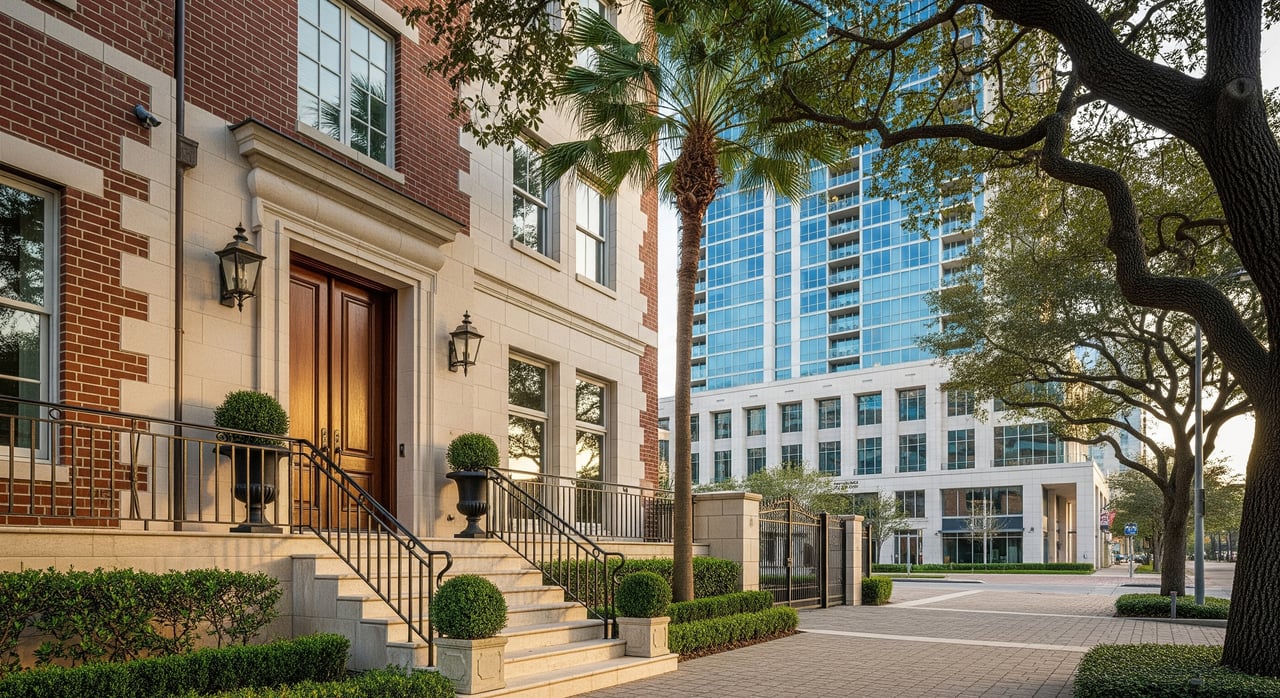
The Galleria and Uptown Westside is a dense, mixed-use hub with office towers, luxury retail, hotels, and a range of homes. You will find high and mid-rise condos, low-rise condo clusters, and attached townhomes on fee-simple lots. Professionals and downsizers pick this area for walkability, transit access, and proximity to major job centers along I-610, Westheimer, and Post Oak.
Inventory shifts by product type. Towers and condo projects can create more available condo units at times, while townhomes add steady infill options. For current trends on pricing and inventory, rely on the latest HAR market reports.
Ownership and control: key differences
Condominiums
- You own the interior of your unit plus a fractional interest in the land and common areas.
- The association governs through recorded CC&Rs, bylaws, and rules. A board manages budgets, reserves, and building operations.
- The master insurance policy typically covers the building shell and common elements. Confirm if it is all-in, walls-in, or bare-walls to size your HO-6 policy correctly.
- The association handles exterior maintenance, structure, and common systems like elevators and roofs.
Townhomes
- Many Galleria-area townhomes are fee-simple, which means you own the lot and structure. Some are organized as condominiums, so always confirm how the property is legally defined on the deed.
- A smaller HOA often maintains shared drives, gates, and landscaping. Exterior and roof responsibilities vary by CC&Rs.
- You usually have more control over exterior choices, subject to community rules and City of Houston permitting.
HOA governance and legal checks
- Request the declaration, bylaws, rules, recent meeting minutes, current budget, reserve study, insurance certificates, and any special assessment notices.
- Review financial health, delinquency rates, and any litigation. Newer projects may still be under developer control, so check the transition timeline.
- Texas statutes govern HOAs and condo associations. To understand the framework for condominiums, review Chapter 82 of the Texas Property Code.
What it costs each month
HOA fees and maintenance
- Condos often have higher monthly HOA fees that include exterior maintenance, building insurance, common utilities, amenities, and security.
- Townhome fees are usually lower, but you will cover more of your own exterior and roof costs. Always review an itemized HOA budget to see what is included.
Taxes and exemptions
- Both condos and townhomes are taxed as real property in Texas. If you occupy your home as a primary residence, you can typically apply for a homestead exemption through the Harris County Appraisal District. Tax rates vary by parcel and taxing entities.
Insurance
- Condo owners typically carry an HO-6 policy for interior finishes, personal property, and liability. The master policy and its deductible shape your coverage needs.
- Fee-simple townhome owners often carry an HO-3 or HO-5 that covers the exterior and interior. Some HOAs require minimum liability limits.
- For consumer-friendly guidance on master policies and unit coverage, consult the Texas Department of Insurance.
Flood and drainage
- Flood risk varies block by block in Westside Houston. Confirm property-specific exposure using the FEMA Flood Map Service Center and local context from the Harris County Flood Control District.
- Lenders may require flood insurance depending on the mapped floodplain and loan type. Many buyers opt for coverage even when not required.
Special assessments and reserves
- Condos carry greater exposure to large assessments for major capital projects like facades, roofs, and elevators. Strong reserves reduce this risk.
- Townhome associations can levy assessments for private drives, shared roofs, or gate systems. Review the history of assessments over the past five to ten years.
Financing considerations
- Lenders place additional scrutiny on condos. Investor concentration, owner-occupancy ratios, litigation, and insurance coverage can affect loan approval and down payment requirements.
- If you plan to use government-backed financing, verify the project on the FHA condo approval list. Townhomes that are fee-simple are usually underwritten like single-family homes.
Lifestyle trade-offs in Uptown
Amenities and services
- Condos often offer concierge or a staffed front desk, secure entries, pool and gym access, and on-site management. These conveniences are usually reflected in HOA fees.
- Townhomes may have limited shared amenities, but you gain private entries, attached garages, and the possibility of a small yard or a roof deck.
Privacy, access, and noise
- Condos share walls and vertical circulation, so you will encounter neighbors in halls and elevators. Building security is a typical plus.
- Townhomes feel more like a house, with private entries and direct garage access. Deliveries and guest arrivals are simpler at street level.
Pets, parking, and storage
- Condo rules can limit pet size, number, and where pets can be walked. Townhome rules vary but are often more flexible.
- Condos use structured or assigned parking and set guest rules. Storage lockers vary by building. Townhomes provide private garages and driveway parking.
Accessibility and aging in place
- Condos can suit single-level living with elevator access. Townhomes are commonly multi-story, which may require planning if mobility becomes a concern.
Resale and long-term value
- Condos with strong financials, cared-for systems, and popular amenities can hold value, but they are sensitive to project reputation and new competing supply.
- Townhomes often attract a wider buyer pool because they feel like single-family homes, and financing is usually more straightforward.
- Project-level factors matter for both: system age, reserve sufficiency, assessment history, and any litigation can affect marketability and appraisal.
- Renovation flexibility differs. Condo interior updates are common within rules. Townhomes may allow more exterior customization with HOA approval.
Your due diligence checklist
Use this checklist before you write an offer, and again during the option period when you receive HOA disclosures.
- Confirm legal form and lot: deed and legal description, fee-simple or condominium regime.
- Compare recent sales in the same building or complex using current MLS data and HAR market context.
- Review flood exposure and history with FEMA maps and local flood control sources.
- Request and review HOA documents: CC&Rs, bylaws, rules, last 12 months of meeting minutes, current budget, year-to-date financials, and the reserve study.
- Get the certificate of insurance, master policy details, deductibles, and named insured parties.
- Ask for assessment history over 5 to 10 years, plus a list of any pending litigation and the current delinquency rate.
- Confirm rental policies, pet rules, short-term rental restrictions, and exterior modification guidelines.
- If the project is newer, verify the timeline for transition from developer control.
- Ask about recent and upcoming capital projects, water intrusion events, plumbing stacks, elevator modernization, and facade or roof replacements.
- Verify FHA and VA approval if needed, and confirm lender underwriting requirements for the specific unit type.
- Discuss insurance gaps with your agent and insurer, including master policy deductibles and your HO-6 or HO-3 needs.
- Pull parcel-level tax details and note all taxing entities through HCAD.
- Verify assigned parking spaces, guest parking, and building access policies.
- During showings, observe elevator wait times, delivery access, and garage security.
- Order a home inspection. For condos, request any available HOA inspection reports or common-area maintenance logs.
Which one fits your life
- Choose a condo if you want low-maintenance, single-level living with staffed services and amenities, and you are comfortable with higher HOA fees and centralized rules.
- Choose a townhome if you want a house-like feel with a private entry, attached garage, and more control over your exterior, and you are comfortable handling more maintenance.
- Either way, focus on the project’s financial health, flood profile, insurance structure, and lending eligibility. These factors drive day-to-day ease and long-term value.
Get local help that pays off
You do not have to navigate all of this alone. With more than 25 years in Houston real estate, Jay Bradley and the team at Prestige Realty Group bring hyperlocal insight, thorough HOA and insurance reviews, and negotiation experience in the Galleria and Uptown corridors. Get an Instant Home Valuation or Schedule a Market Consultation to move forward with confidence.
FAQs
What is the main difference in condo vs townhome ownership in Houston’s Galleria
- Condos include ownership of your unit interior plus shared common elements, while fee-simple townhomes typically include ownership of the land and structure, subject to HOA rules for shared areas.
How do HOA fees compare for Galleria condos and townhomes
- Condo fees tend to be higher since they include exterior maintenance, common utilities, amenities, and master insurance, while townhome fees are usually lower but you cover more exterior upkeep personally.
Are condos harder to finance than townhomes in the Uptown area
- Often yes, because lenders review the entire condo project, including insurance, reserves, owner-occupancy, and any litigation, while fee-simple townhomes are usually underwritten like single-family homes.
How should I check flood risk for a Westside address
- Review the FEMA map for the parcel and consult local history from the Harris County Flood Control District, then discuss insurance options with your lender and agent.
What special assessments should I watch for in condo towers
- Elevators, facade repairs, roof replacements, plumbing stacks, and mechanical systems can trigger large assessments if reserves are not sufficient.
Can I rent out my Galleria condo or townhome
- It depends on the HOA. Many condos set minimum lease terms or rental caps, and some townhome communities do as well, so always confirm the rules in writing.