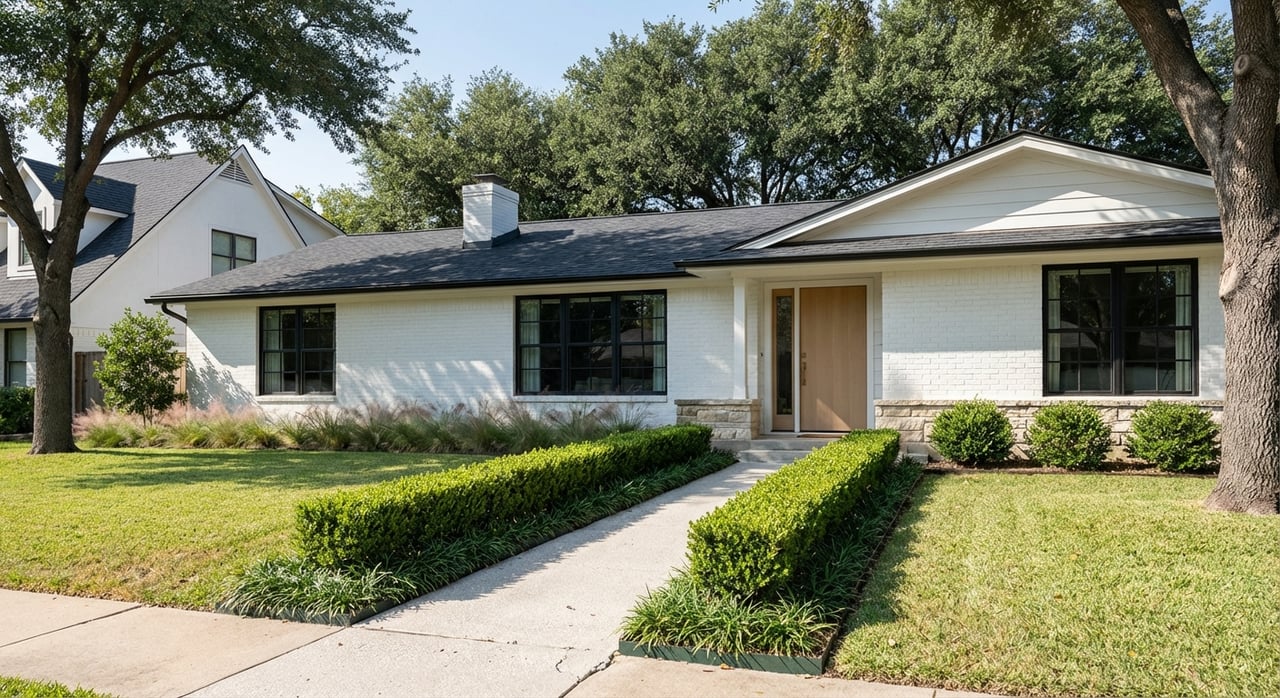
What makes one River Oaks block feel cozy and classic while the next reads fresh and modern? If you have scrolled listings or driven the streets near the Trinity River, you have seen a mix of bungalow charm, brick ranches, and new builds side by side. Understanding these styles helps you shop smarter, price with confidence, and plan upgrades that pay off. In this guide, you will learn how to spot the architectural cues that define River Oaks, what buyers value in each style, and how local rules shape curb appeal. Let’s dive in.
River Oaks snapshot
River Oaks sits just west of Fort Worth in Tarrant County. Growth surged in the 1940s with wartime housing near Carswell Air Field, which set the stage for widespread ranch and mid-century homes that still anchor the area today. You will find a compact city footprint with a neighborhood feel, active renovation, and steady infill activity. For a quick local history overview, see the Texas State Historical Association’s entry on River Oaks, which explains the postwar roots of today’s housing mix (River Oaks history overview).
Because most neighborhoods matured after World War II, you should expect a broad range of homes: vintage bungalows and ranches, renovated mid-century properties, and recent new construction. It is common to see a 1950s brick ranch next to a refreshed Craftsman-inspired cottage and a modern farmhouse new build.
Style cheat sheet: what you are seeing
Below are the most common styles in River Oaks, with quick ways to identify them and notes on buyer fit.
Mid-century ranch
- How to spot it: Single story, long and low profile, shallow roof pitch, wide eaves, large picture windows or grouped windows, and an attached garage or carport facing the street. Sliding glass doors often open to a patio. Interiors typically favor informal, flowing layouts. For a deeper primer on this era, review the National Park Service’s guide to 1950s ranch characteristics (NPS ranch guide).
- Buyer fit: Great for single-level living and easy indoor-outdoor flow. Popular with buyers planning modern updates and with those who value accessible layouts.
- Quick curb appeal wins: New garage door, refreshed entry door, trimmed landscaping, and updated exterior lighting.
Craftsman and bungalow
- How to spot it: Low-pitched gabled roofs, broad porches with tapered or squared columns set on piers, exposed rafter tails, and multi-pane over single-pane windows. These homes often feature warm wood details and a defined entry. For visual cues, see this concise historic-context summary that highlights porch and trim hallmarks of Craftsman design (Craftsman feature summary).
- Buyer fit: Ideal if you want architectural character, a welcoming porch, and a smaller footprint that lives efficiently.
- Quick curb appeal wins: Repair and repaint porch elements, highlight original millwork, and keep planting low to showcase the façade.
Traditional brick ranch / minimal-traditional
- How to spot it: Brick veneer as the dominant exterior, compact single-story plans, simple hip or gable roofs, and limited ornament. The feel is clean, durable, and low maintenance.
- Buyer fit: Appeals to those who want solid construction, classic curb presence, and a straightforward floor plan that is easy to update.
- Quick curb appeal wins: Power-wash and repoint brick as needed, paint trim in a contrasting but classic color, and upgrade the mailbox, house numbers, and lighting for a fresh, cohesive look.
Mid-century modern and contemporary
- How to spot it: Emphasis on large panes of glass, clean lines, and stronger indoor-outdoor connections, sometimes with flat or low-sloped roof planes and minimal ornament. The National Academies offers a helpful overview of mid-century modern design traits and cultural context (mid-century modern overview).
- Buyer fit: Best for design-forward buyers who value daylight, open plans, and integration with outdoor spaces.
- Quick curb appeal wins: Frame windows with crisp landscaping, add simple horizontal fencing or planters, and use warm exterior lighting to accent long rooflines.
Modern farmhouse and neo-eclectic new builds
- How to spot it: Gabled forms, board-and-batten accents, mixed cladding (brick or stone with smooth siding), generous kitchens, and covered porches. Many new builds blend traditional massing with contemporary finishes.
- Buyer fit: Often chosen by move-up buyers who want recent systems, modern amenities, and a polished curb presence.
- Quick curb appeal wins: Keep transitions between masonry and siding clean, choose classic exterior fixtures, and define outdoor living zones with seating and planters.
Infill duplexes, townhomes, and accessory units
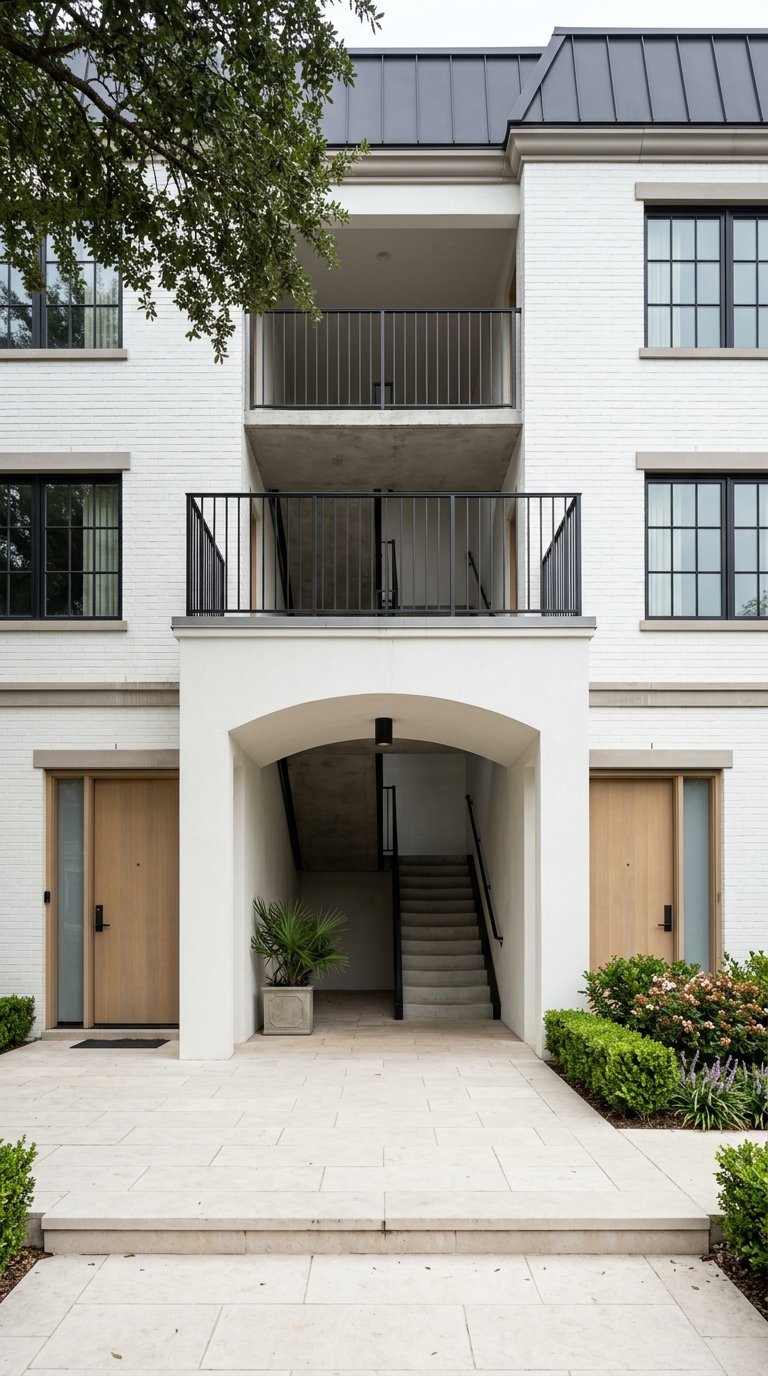
- How to spot it: Contemporary forms with compact footprints, shared walls for duplex or townhome types, and efficient lot use. These appear along corridors and in higher-density districts.
- Buyer fit: Good for those seeking lower maintenance or a potential investment. Also helpful for multigenerational living if an accessory unit is allowed and properly permitted.
- Quick curb appeal wins: Emphasize clean, low upkeep landscaping and consistent material choices across units.
Lots, codes, and streetscape rules
River Oaks lot sizes vary from modest interior parcels to larger river-adjacent sites. That variation affects everything you see from the street: setbacks, driveway orientation, and the size and placement of porches and garages.
- Setbacks and massing: Many single-family districts require a generous front setback, often 40 feet. This shapes front-yard depth and how homes sit on the street. The city’s zoning ordinance defines minimum lot widths and areas, front-yard setbacks, and garage or carport requirements by district (River Oaks zoning ordinance).
- Exterior materials: New construction must meet a high masonry percentage. The current code requires at least 75 percent masonry on new builds, which keeps brick and stone prominent across façades and supports a cohesive streetscape (masonry requirements in code).
- Topography and water: Proximity to the Trinity River and varied terrain can influence lot size, drainage, and potential flood considerations. The city provides stormwater and corridor planning resources; always verify floodplain status and consult FEMA mapping for river-proximate properties (city stormwater resources).
What this means for your plans
- If you are building or adding on, your lot’s width and depth plus district rules will define what is possible. That includes where a garage can sit and how much of your front façade must be masonry.
- If you are buying, setbacks and massing help explain why a home feels more private or more connected to the street. Larger river-adjacent lots can support longer drives and deeper porches.
- If you are selling, align exterior updates with code and streetscape patterns so your home photographs and shows well next to neighbors.
Curb appeal and value drivers
First impressions matter. Staging helps buyers picture their lives in a space, and it can translate to stronger offers and fewer days on market. The National Association of Realtors has reported that many buyer agents see clear benefits from staging, especially when it highlights key features (NAR staging insight).
On the exterior, small, smart projects often punch above their weight. National cost-versus-value data consistently ranks garage-door and entry-door replacements among the highest return-on-investment upgrades, along with targeted landscaping and lighting improvements. Kiplinger’s summary of high-ROI home upgrades echoes these findings and is a useful reference when planning your budget (high-ROI upgrade summary).
Style-specific curb appeal tips
Ranch and mid-century homes
- Upgrade the garage door to a clean, modern panel with subtle windows.
- Repaint trim in a crisp neutral and highlight the front door with a rich, saturated color.
- Use linear planting beds to echo the home’s horizontal lines.
Craftsman and bungalow
- Repair porch columns and piers, and repaint in a period-appropriate palette.
- Showcase rafter tails and window trim with careful color contrast.
- Keep hedges low so the porch feels open and inviting.
Modern farmhouse and new builds
- Ensure a smooth transition between brick or stone and board-and-batten siding in line with masonry preferences in local code.
- Layer soft, warm exterior lighting at the porch, garage, and pathways.
- Define outdoor rooms with simple furniture groupings.
How to shop styles with confidence
Walkthroughs and listing photos can feel overwhelming. Use this quick process to keep your eye on the elements that matter most.
Start with the roof and silhouette. Is it long and low, steep and gabled, or flat and minimal? That usually gets you 80 percent of the way to style ID.
Read the porch and entry. Broad porches with tapered columns suggest Craftsman roots. No porch and a centered garage hints at a ranch or minimal-traditional.
Look at windows. A single large picture window or bands of horizontal windows point to mid-century. Larger panes and more glass suggest mid-century modern or contemporary.
Check materials. Brick-forward exteriors are common and align with current masonry requirements for new builds. Mixed materials with board-and-batten accents often indicate modern farmhouse.
Connect the style to lifestyle. Single-level ranches are great for easy flow. Craftsman homes create a defined arrival and cozy scale. Modern designs lean into daylight and indoor-outdoor life. Duplexes and accessory units can support low maintenance or flexible living.
Local rules: quick checklist
Before you plan an addition, exterior change, or new build, confirm the following with the city or a qualified professional.
- Zoning district and uses: Identify your district (R-1 through R-6 or MF) to understand allowed housing types and density. See the city’s ordinance for details (zoning districts overview).
- Front setback: Many single-family districts require a 40-foot front-yard setback, which will shape your curb presentation and porch depth (setback standards).
- Masonry percentage: New construction typically must meet at least 75 percent masonry on façades. Plan finishes accordingly (masonry requirement).
- Garage and driveway: Orientation and coverage are guided by code. Verify whether a front-facing or side-entry garage is permitted on your lot.
- Flood and drainage: If you are near the Trinity River or a low area, confirm floodplain and drainage requirements with the city and cross-check FEMA maps (city stormwater information).
The bottom line
River Oaks blends heritage and fresh construction in a compact, river-adjacent setting. When you can read the rooflines, porches, windows, and materials, you see how each home tells a story: postwar ranch practicality, porch-centered Craftsman charm, glassy mid-century moderns, and polished new builds with farmhouse cues. Pair that insight with smart curb appeal choices and a working knowledge of local code, and you will be ready to buy, sell, or renovate with confidence.
If you are weighing options or want help positioning your home for the market, reach out. With decades of Texas real estate experience and a boutique, high-touch approach, Prestige Realty Group can help you align style, budget, and timing. Get an Instant Home Valuation or Schedule a Market Consultation.
FAQs
What home styles are most common in River Oaks, TX?
- You will primarily see postwar ranch and mid-century homes, with smaller pockets of Craftsman bungalows and a growing number of modern farmhouse and contemporary new builds; the city’s post-1940s growth shaped this mix (River Oaks history overview).
How can I tell a ranch from a mid-century modern home?
- Both sit low to the ground, but classic ranches show simpler massing and picture windows, while mid-century moderns lean into larger glass walls, cleaner lines, and stronger indoor-outdoor connections (NPS ranch guide).
Are there rules about exterior materials for new builds in River Oaks?
- Yes. The zoning ordinance requires a high percentage of masonry on new construction, typically at least 75 percent, which keeps brick and stone prominent in façades (masonry requirements in code).
How do setbacks and lot size affect additions or garages?
- Your district’s minimum lot width, area, and front-yard setback (often 40 feet for single-family) set the buildable envelope, which dictates where you can place additions and how a garage can face the street (setback standards).
Do river-adjacent River Oaks properties have special considerations?
- Properties near the Trinity River may require extra review for drainage and floodplain status; always verify with the city and consult FEMA mapping before planning exterior work (city stormwater resources).